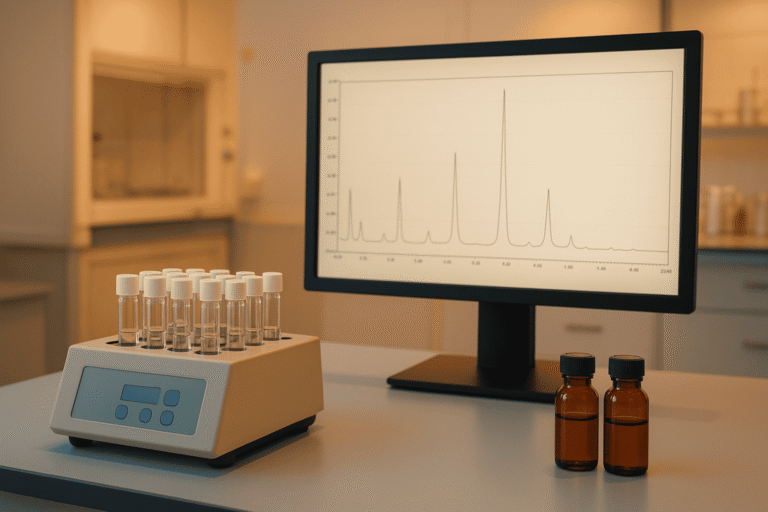
Amino Acid Analysis: Confirming Peptide Composition & Concentration
Explains acid hydrolysis, derivatization, and chromatographic quantification as an orthogonal method for verifying peptide identity. For research use only.
Research Blog
Explains acid hydrolysis, derivatization, and chromatographic quantification as an orthogonal method for verifying peptide identity. For research use only.
Walks through sample extraction, MRM transition optimization, and calibration curve construction for quantifying peptides in preclinical samples. For research use only.
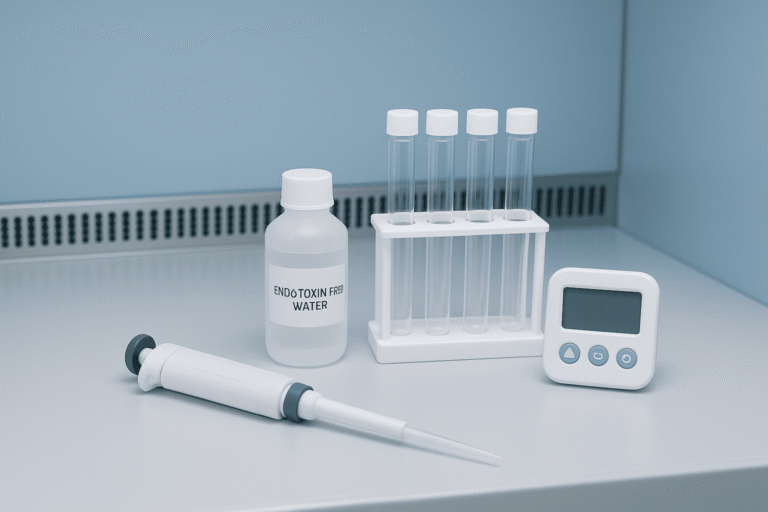
Describes LAL and recombinant Factor C assays, acceptance thresholds, and why endotoxin screening is critical for cell-based peptide studies. For research use…
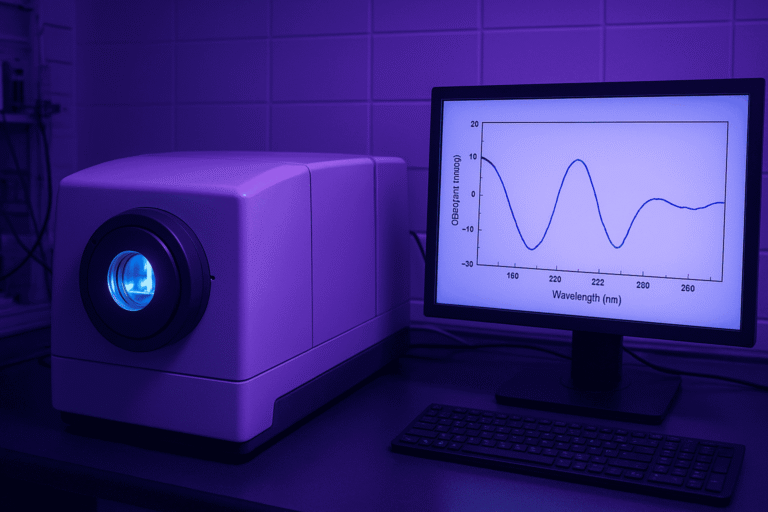
Covers CD spectral signatures of alpha-helix, beta-sheet, and random coil conformations and deconvolution software used in peptide research. For research use only.
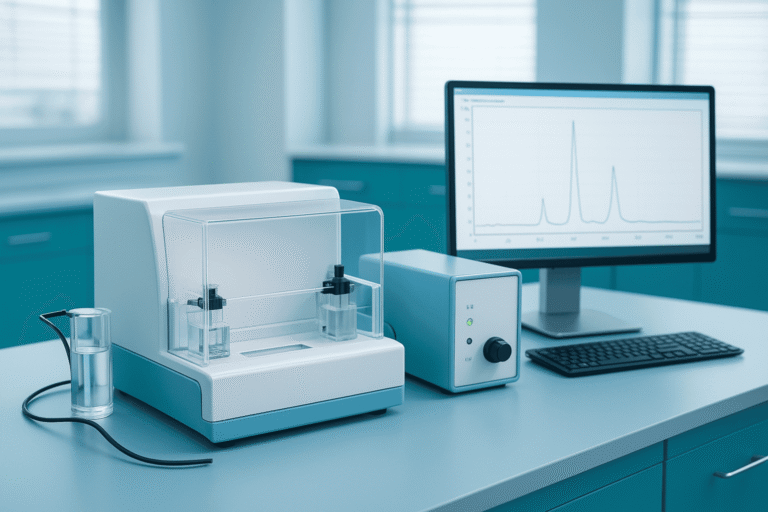
Introduces CE-UV and CE-MS modes, buffer selection, and resolution advantages for separating closely related peptide impurities. For research use only.
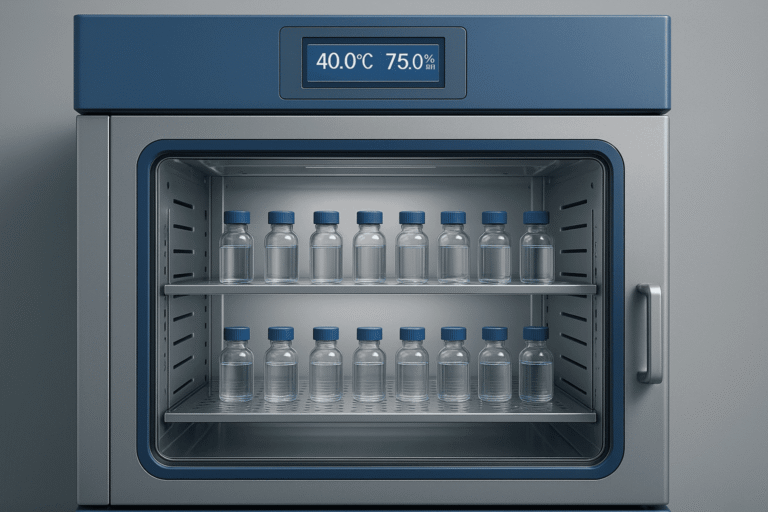
Explains ICH Q1A-aligned forced degradation protocols and how researchers use accelerated data to model shelf-life projections. For research use only.
Practical guidance on selecting solvents, adjusting pH, and performing solubility screening for lyophilized peptides. For research use only.
An authoritative overview of every major analytical technique used to characterize research peptides. For research use only.
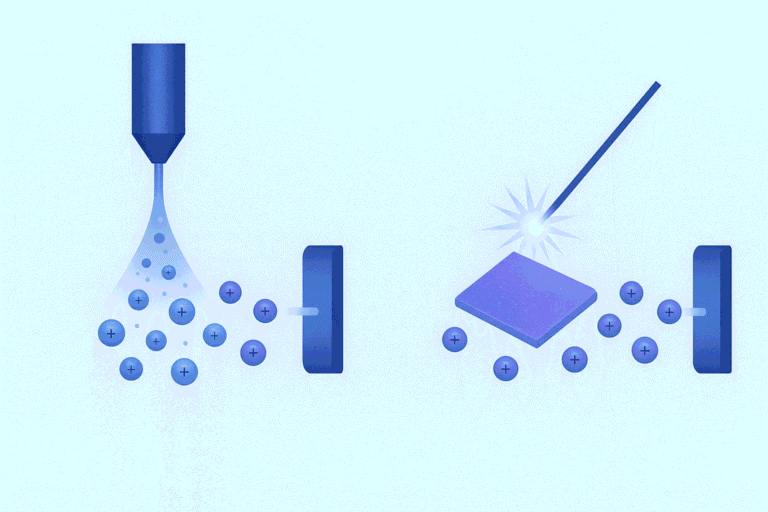
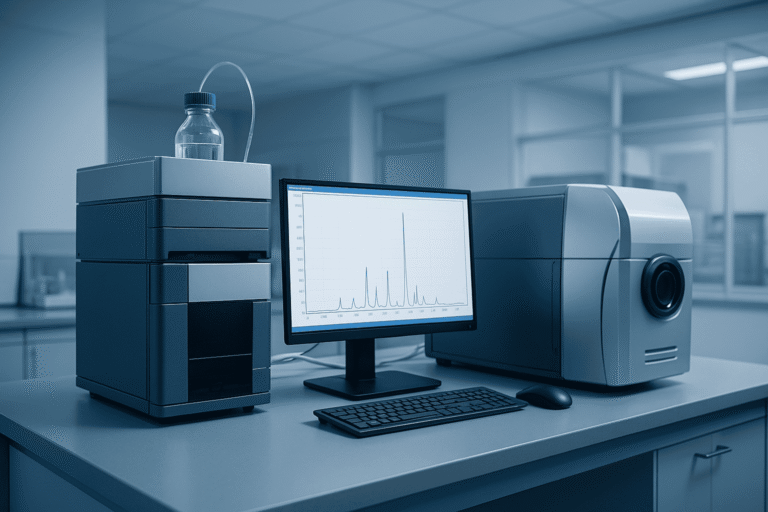
Compares electrospray ionization and MALDI-TOF workflows for confirming peptide molecular weight and identifying post-synthetic modifications. For research use only.
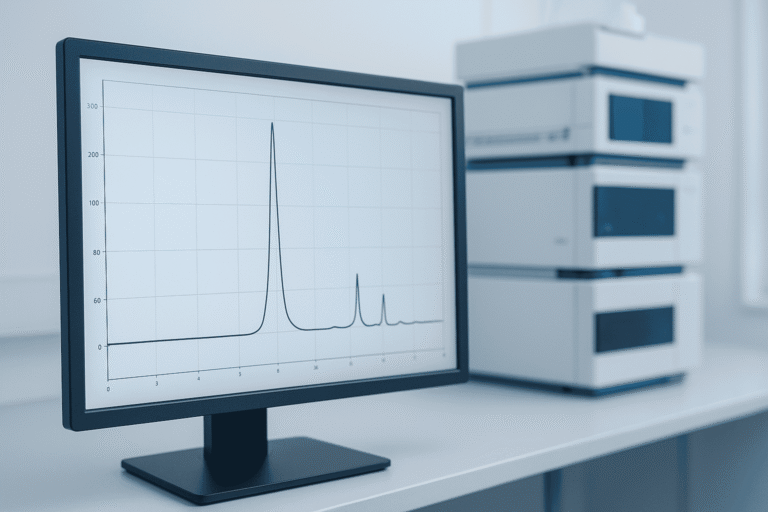
Step-by-step instruction on interpreting retention times, peak area percentages, resolution values, and common artifacts in reversed-phase HPLC peptide analysis. For research use…