
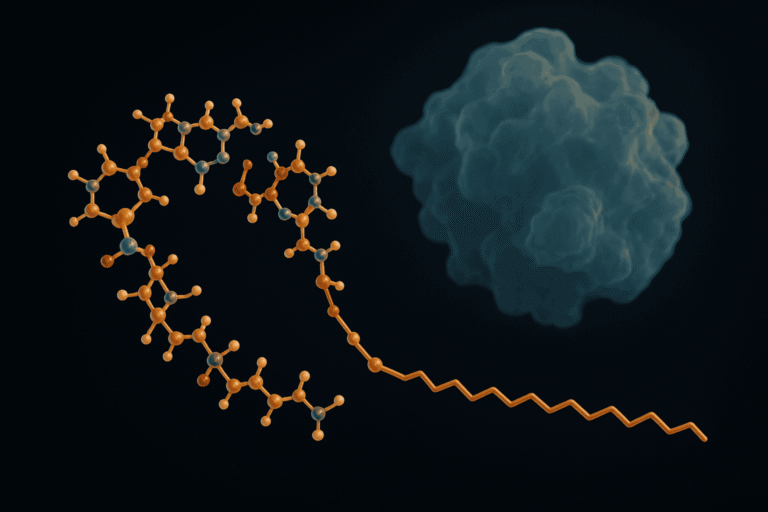
PEGylation of Peptides: How Polyethylene Glycol Conjugation Works
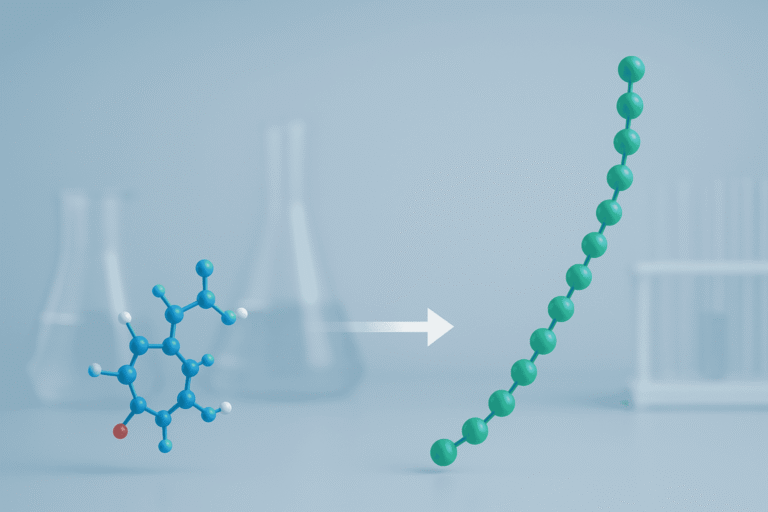
Details the chemistry of PEG conjugation, linker strategies, and how PEGylation modulates hydrodynamic radius and renal clearance in preclinical peptide research. For…
Research Blog
Details the chemistry of PEG conjugation, linker strategies, and how PEGylation modulates hydrodynamic radius and renal clearance in preclinical peptide research. For…
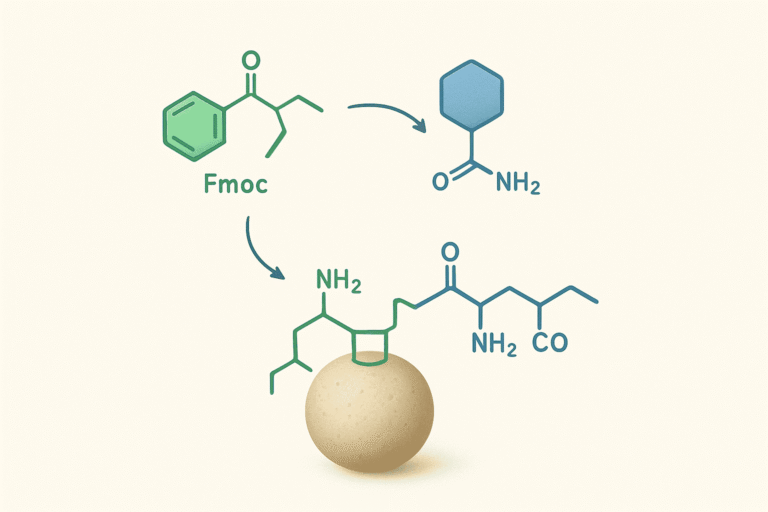
A technical walkthrough of Fmoc/tBu orthogonal protection schemes, common side-chain protecting groups, and cleavage cocktail formulations. For research use only.
Describes acylation chemistry, common fatty acid linkers, and how lipid conjugation influences albumin binding investigated in laboratory research. For research use only.
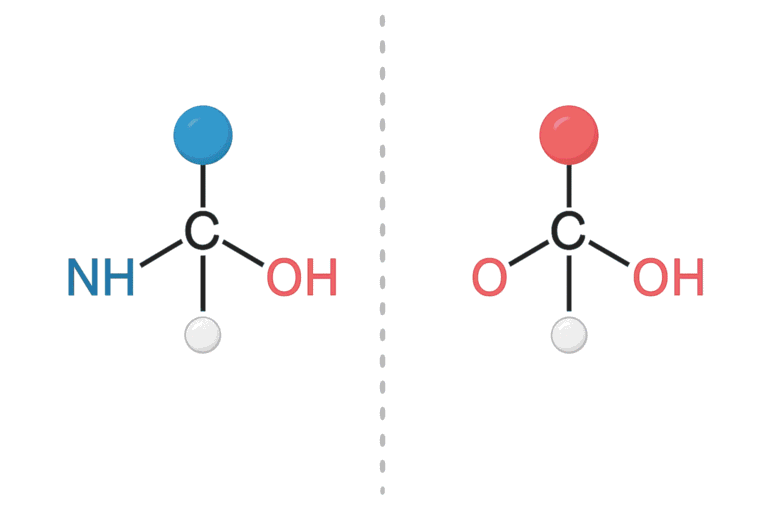
Reviews the incorporation of D-configuration amino acids into synthetic peptide sequences and the impact on backbone conformation and enzymatic stability. For research…
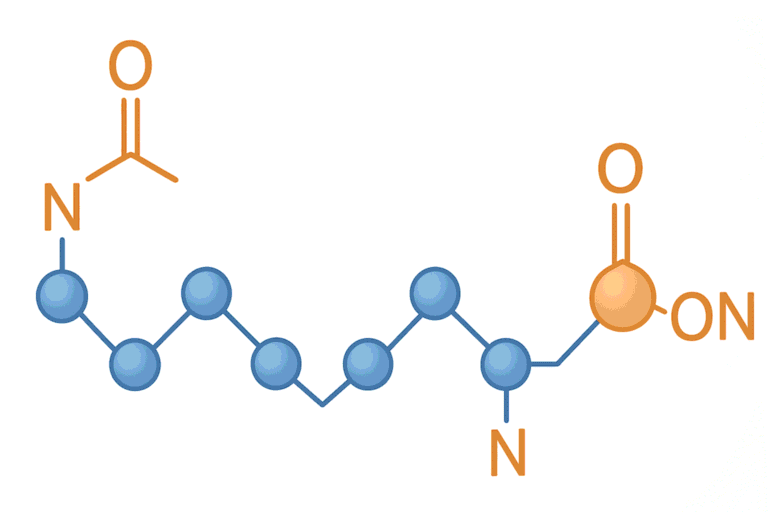
Covers the two most common capping modifications, their synthetic procedures, and the documented effects on exopeptidase resistance examined in preclinical models. For…
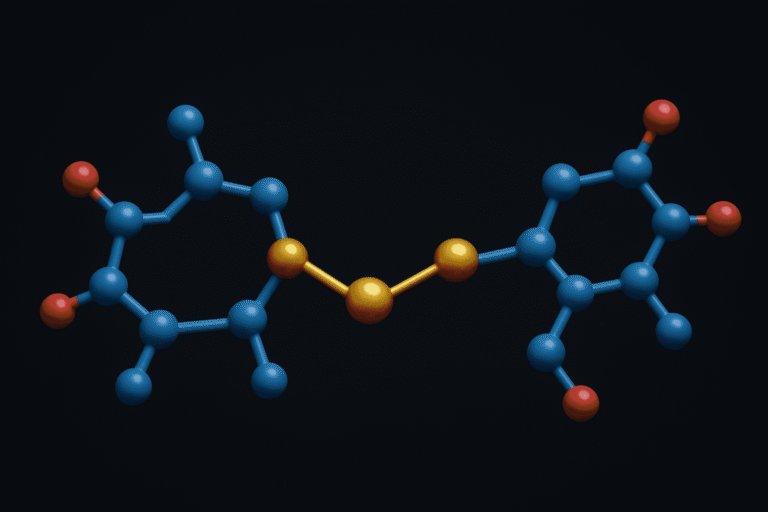
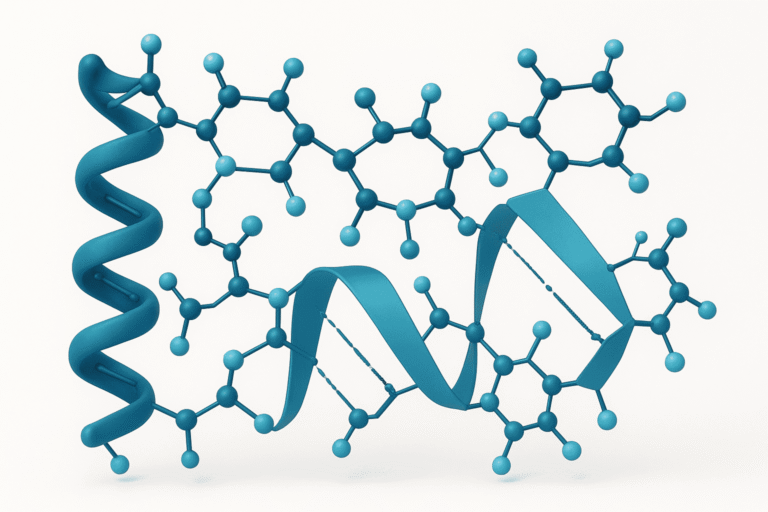
Explains cysteine pairing, oxidative folding strategies, and how disulfide topology influences peptide tertiary structure in laboratory settings. For research use only.
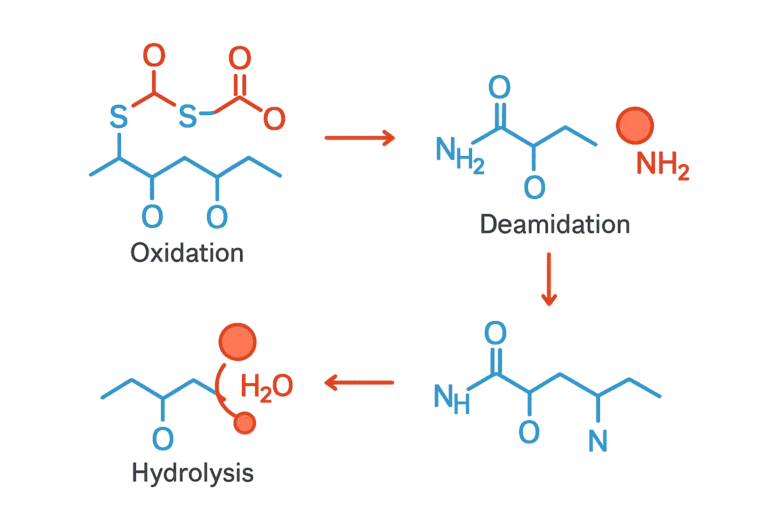
Surveys the primary chemical degradation routes in synthetic peptides—methionine oxidation, asparagine deamidation, and backbone hydrolysis—and the analytical markers used to detect each.…
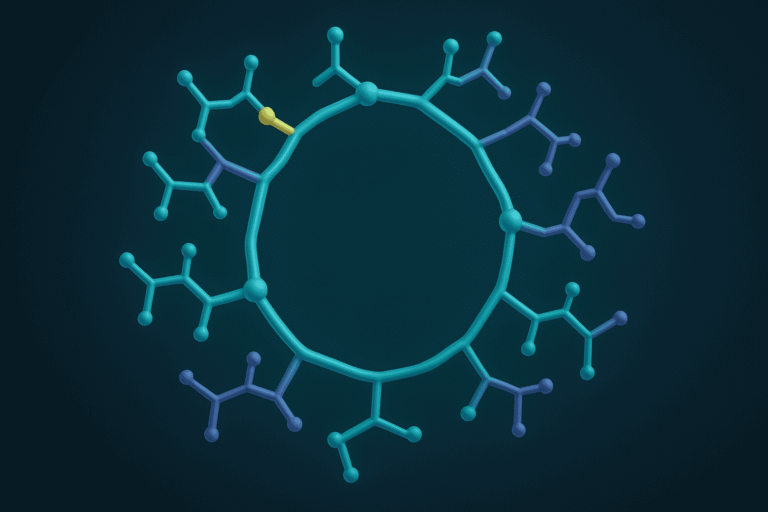
Examines head-to-tail, side-chain, and disulfide cyclization techniques and how ring closure affects conformational rigidity and proteolytic resistance. For research use only.
Compares Merrifield solid-phase and solution-phase synthesis strategies, examining yield, purity, scalability, and suitability for different peptide chain lengths. For research use only.
A comprehensive reference covering amino acid building blocks, peptide bond formation, secondary structure, and the chemical modifications that define modern research peptides.…