
GHK-Cu and Gene Expression: How a Small Peptide Affects Thousands of Genes
Published research shows GHK-Cu can modulate the expression of thousands of genes. Here’s what that means, how gene expression studies work, and…
Research Blog
Published research shows GHK-Cu can modulate the expression of thousands of genes. Here’s what that means, how gene expression studies work, and…

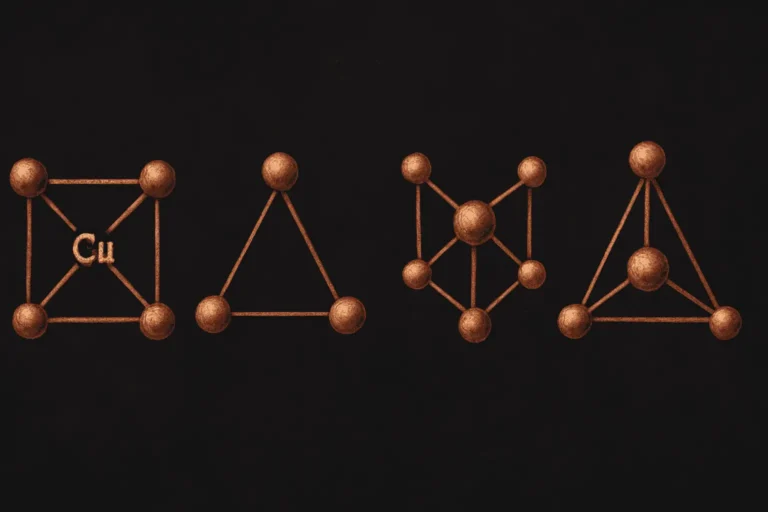
Not all copper peptides are the same. Here’s how GHK-Cu compares to other copper-peptide complexes in terms of structure, binding affinity, and…
GHK-Cu was first identified in human blood plasma, where it occurs naturally. Here’s the discovery story, what plasma levels look like, and…
GHK-Cu has been investigated for its role in stimulating collagen synthesis pathways in preclinical models. Here’s what published data shows about GHK-Cu’s…
GHK-Cu is a naturally occurring tripeptide-copper complex found in human blood plasma. Here’s what makes this copper peptide unique and why it’s…
MOTS-c levels decline with age, making it a focus of aging biology research. Here’s what preclinical studies have found about MOTS-c’s role…
From MOTS-c to SS-31, several peptides are used as tools for studying mitochondrial function. Here’s a comprehensive overview of the most studied…
SS-31 binds to cardiolipin, a lipid found exclusively in the inner mitochondrial membrane. Here’s what cardiolipin is, why SS-31 targets it, and…
SS-31 was engineered to concentrate at the inner mitochondrial membrane, where the cell’s energy production occurs. Here’s how this targeting works and…
SS-31, also known as elamipretide, is a synthetic tetrapeptide designed to target the inner mitochondrial membrane. Here’s what it is, how it…