Quality & Purity Standards
Amino Acid Analysis: How Researchers Verify Peptide Composition
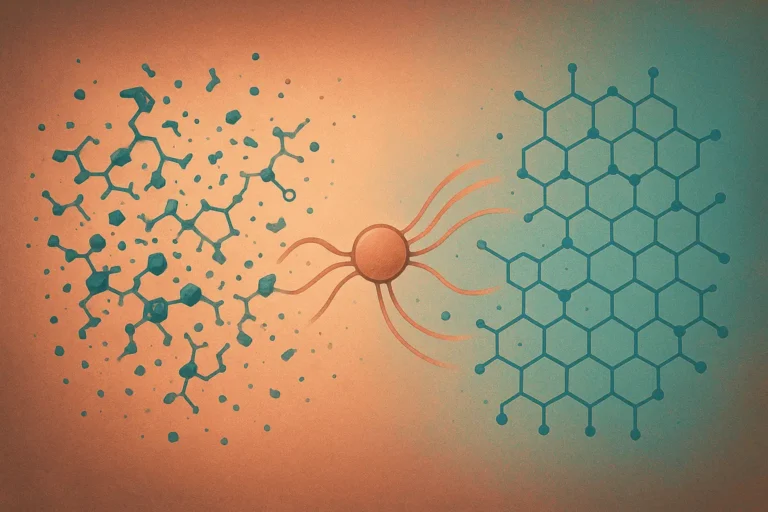
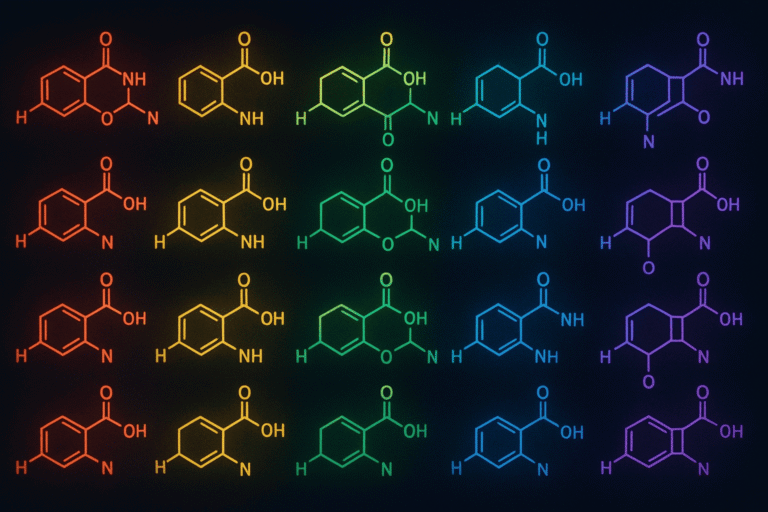
Amino acid analysis breaks a peptide into its individual amino acids to verify composition. Here’s how the process works and why it’s…
Research Blog
Amino acid analysis breaks a peptide into its individual amino acids to verify composition. Here’s how the process works and why it’s…
Endotoxin contamination can compromise research results. Here’s what endotoxins are, how LAL testing works, and what acceptable endotoxin levels look like for…
Peptide purity is measured by HPLC and expressed as a percentage. Here’s what each purity grade means, how testing works, and which…
Fmoc and Boc are two chemical strategies for protecting amino acids during peptide synthesis. Here’s how they differ, which one most manufacturers…
Most research peptides are made using solid-phase peptide synthesis (SPPS), a Nobel Prize-winning method. Here’s a plain-English explanation of how SPPS works…
Tissue remodeling involves breaking down old structures and building new ones. Here’s what published preclinical research shows about GHK-Cu’s role in this…
Fibroblasts produce collagen, elastin, and other structural proteins. GHK-Cu has been studied for its ability to activate these cells in preclinical models.…
Copper is an essential trace element involved in dozens of enzymatic reactions. Here’s why copper matters for biology, how it binds to…
GLOW is Alpha Peptides’ proprietary blend built around GHK-Cu plus supporting peptide ingredients. Here’s a breakdown of each component and what researchers…
GHK-Cu has been investigated in wound biology models for decades. Here’s a review of published preclinical research on GHK-Cu’s role in tissue…