Peptide Guides
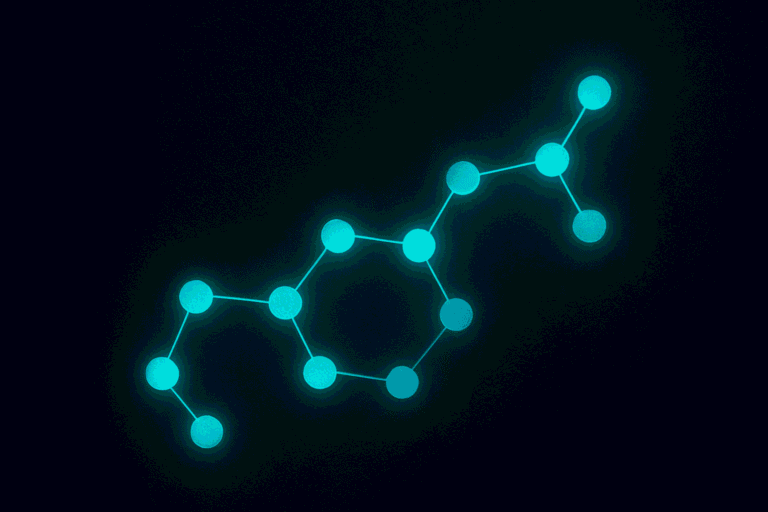
BPC-157 Amino Acid Sequence: What Each Part Does
BPC-157 is a 15-amino-acid peptide derived from a larger gastric protein. Here’s what each segment of the sequence contributes to its stability…

Research Blog
BPC-157 is a 15-amino-acid peptide derived from a larger gastric protein. Here’s what each segment of the sequence contributes to its stability…
BPC-157 and TB-500 use different molecular mechanisms that researchers find complementary. Here’s a plain-English breakdown of how each peptide works at the…
U.S.-based peptide suppliers offer faster shipping, regulatory accountability, and real customer support. Here’s why domestic sourcing matters for research quality and peace…
Cold-chain shipping protects peptide integrity during transit. Here’s what proper packaging looks like, what to check when your order arrives, and why…
TB-500 comes from Thymosin Beta-4; BPC-157 from gastric juice proteins. Different origins, different mechanisms. Here’s a side-by-side comparison of these two popular…
BPC-157 has been studied in preclinical models since the 1990s. Here’s what’s new in 2026, what questions remain, and why it continues…
BPC-157 and TB-500 come from different biological origins but researchers find them complementary. Here’s why they’re often studied together and what that…
Peptide research has evolved from single-target compounds to dual agonists to triple agonists like GLP-3. Here’s the story of each generation and…
Third-party lab testing is the clearest signal of a peptide supplier’s commitment to quality. But what does independent verification actually mean, and…
Should you source research peptides from a domestic supplier or consider international options? It’s a question researchers ask frequently. Here’s a balanced…